

Blog Raw Food Diets for Your Dog
Have you ever wondered whether a raw food diet is right for your dog? You’re not alone. Over the past decade, raw feeding has become increasingly popular among pet owners looking for alternatives to traditional dry kibble or canned commercial diets.
A raw food diet for dogs typically includes uncooked meat, raw bones, organ meats, eggs, and in some cases fruits, vegetables, and small amounts of dairy. Supporters of raw feeding often believe it aligns more closely with what dogs may have eaten historically, while critics—especially veterinary professionals—note that commercial diets are specifically formulated to meet complete nutritional standards for everyday health.
Like many feeding approaches, raw diets come with both potential benefits and important risks to consider.
Potential Benefits of a Raw Food Diet
Some pet owners report the following improvements when feeding a raw diet:
- Healthier-looking skin
- Shinier coat
- Cleaner teeth and fresher breath
- Improved digestion in some dogs
- Increased energy levels
- Better appetite in picky eaters
Possible Risks and Concerns
Veterinarians and pet nutrition experts often highlight the following concerns:
- Risk of harmful bacteria such as Salmonella and E. coli
- Bones may cause dental fractures or internal injury if not properly prepared
- Nutritional imbalances if meals are not carefully formulated
- Over-supplementation or deficiencies (for example, excess vitamin A from too much liver)
- Not all dogs tolerate raw diets well, especially without guidance
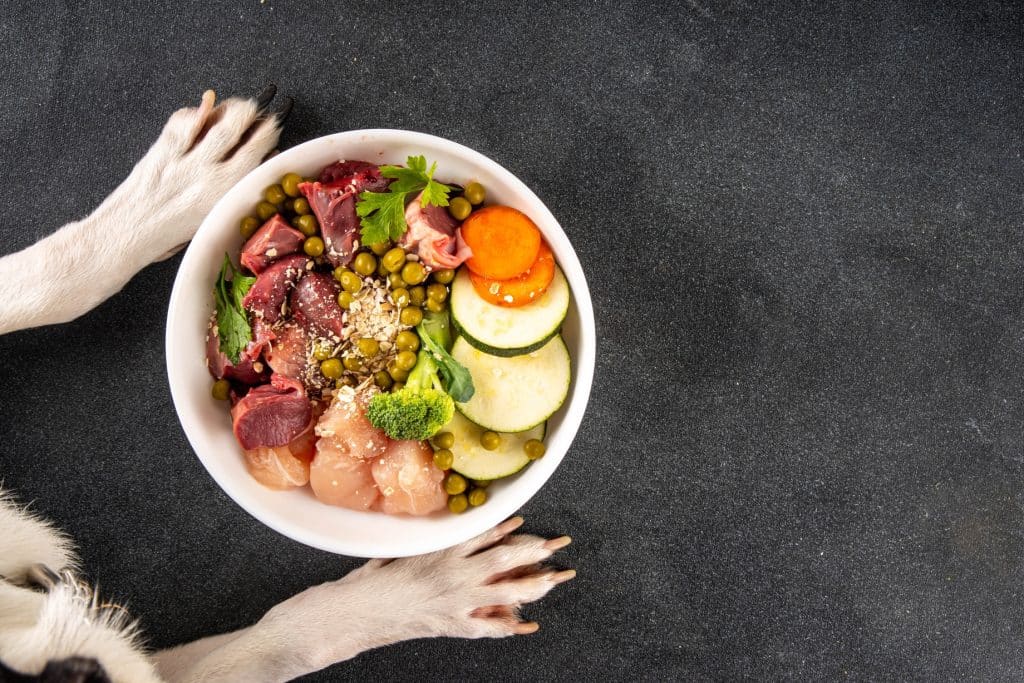

Making a Raw Diet Safer
If you are considering a raw feeding approach, it’s important to do so thoughtfully and under professional guidance.
- Work with your veterinarian or a pet nutrition specialist to ensure your dog’s diet is balanced
- Rotate protein sources (not just one type of meat or organ)
- Handle raw food with strict hygiene practices to reduce contamination risk
- Consider lightly cooking certain ingredients if recommended by your vet
- Never cook bones, as this can make them brittle and more dangerous to consume
Some pet owners also choose pre-prepared frozen or freeze-dried raw diets, which can offer more convenience and consistency in formulation.
Feeding Considerations for Different Dogs
Raw diets are not ideal for every dog. Puppies, senior dogs, and dogs with underlying health conditions may have different nutritional needs or higher risk factors. This is why professional guidance is especially important before making any major diet changes.
Final Thoughts
Choosing between raw, kibble, or canned food is not about one “perfect” option—it’s about what best supports your dog’s individual health, lifestyle, and nutritional needs.
Before making any changes to your dog’s diet, it’s always best to consult your veterinarian. A professional can help ensure your pet is getting a complete and balanced diet tailored specifically to them.
For pet parents exploring nutrition options, our team at Very Important Paws is always happy to help guide you toward trusted products and resources for your furry family member.